
Drywall Mold Removal in Edison, one call away
Drywall Mold Removal in Edison means finding the moisture source, cutting out the moldy drywall, and treating the framing so it does not come back. Local providers handle drywall mold remediation Edison NJ homeowners call about most: basement walls after flooding, ceilings under bathroom leaks, and garage walls near crawl space vents. If you have seen black mold on drywall removal Edison New Jersey jobs, call the provider today.
Service overview
What Drywall Mold Removal in Edison actually involves
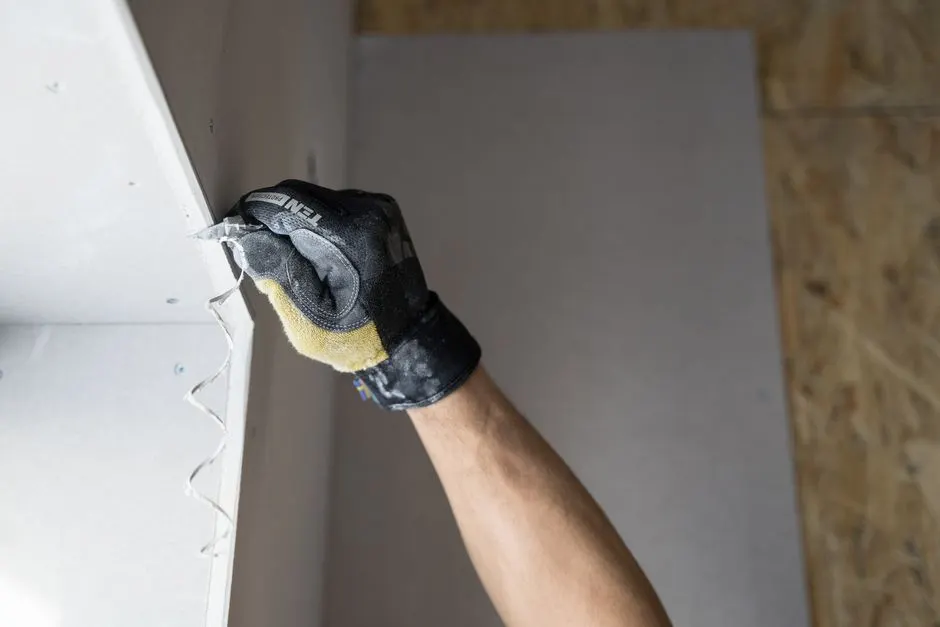
Drywall Mold Removal in Edison is the process of cutting out water-damaged, moldy drywall, treating the exposed framing and cavity, and replacing the removed sections with mold-resistant drywall. Local providers start with a moisture meter and thermal imaging camera to map how far the water traveled, then use a boroscope inspection camera to see inside the wall cavity without tearing everything open. Moldy sections get cut back 12 inches past the last visible growth, bagged inside containment plastic sheeting, and hauled out through a zipper door so spores do not spread to the rest of your home. Most Edison calls local providers run come from three places: finished basements in Clara Barton and Stelton that took on water during heavy rain, second-floor ceilings in Oak Tree with slow roof leaks, and bathroom walls in North Edison where condensation has been feeding mold behind the tile for months. If you have been searching drywall mold removal in Edison NJ near me, the fix is not paint or bleach. It is cut out and replace moldy drywall Edison New Jersey style: remove the food source, dry the cavity, and treat what stays.
! Common warning signs
Musty smell in one room that will not go away
A persistent musty odor usually means mold is actively growing behind the drywall. Every day it grows, it spreads further into the paper facing and insulation, and the removal scope gets bigger.
Paint bubbling or peeling on a wall or ceiling
Bubbling paint means moisture is pushing through from behind the drywall. If the drywall has been wet long enough, mold has already started growing on the back side of the board and on the framing.
Black mold on drywall after a leak or flood
Black mold (Stachybotrys) grows on drywall that has been wet for more than a week. It releases spores that trigger allergies and respiratory problems, and it spreads fast through wall cavities and into adjacent rooms.
Scope of work
What is included in Drywall Mold Removal
Every drywall mold removal job includes inspection, containment, removal, treatment, drying, and replacement. Here is what is covered in a standard scope, and what local providers handle as an add-on when the situation calls for it.
-
01
Moisture inspection and mapping
Local providers use a moisture meter, thermal imaging camera, and boroscope inspection camera to map exactly how far the mold extends and where the water came from. You get a written summary of findings before any work begins.
-
02
Containment and HEPA filtration
Containment plastic sheeting with a zipper door, a negative air machine, and an air scrubber with HEPA filters keep spores from spreading to the rest of your home. This is included on every job, not an upgrade.
-
03
Cut out, treat, and dry
Local providers cut out moldy drywall 12 inches past visible growth, HEPA vacuum the framing, apply antimicrobial solution and borate-based mold inhibitor, and run a dehumidifier and air movers until the cavity is below 15 percent moisture content.
-
04
Replace with mold-resistant materials
Local providers hang mold-resistant drywall, tape and finish it, and install a 6-mil polyethylene vapor barrier where it belongs. Post-remediation verification with a moisture meter confirms the wall is dry before local providers call it done.
Why homeowners call the provider for drywall mold
Mold behind drywall does not stay behind drywall. It spreads through the paper facing, into insulation, and along framing until the whole wall is compromised. Here is what you get when local providers handle it.
Call NowTools and methods local providers use for drywall mold
Thermal imaging camera
Finds temperature differences behind drywall that indicate moisture, so local providers can map the wet zone without cutting exploratory holes in every wall.
Boroscope inspection camera
Lets the provider see inside wall cavities through a small hole to confirm mold growth and check the back side of the drywall before they commit to a removal scope.
Negative air machine and air scrubber
Creates negative pressure inside containment and filters airborne spores through HEPA filters, keeping the rest of your home clean during removal.
Dri-Eaz and Phoenix dehumidifiers
Dries the wall cavity and framing to below 15 percent moisture content after moldy drywall is removed, which is what prevents the mold from returning.
Local execution
Edison sits in a part of Middlesex County where the water table is high and the housing stock is a mix of mid-century ranches, split-levels, and newer construction. That combination drives most of the drywall mold work local providers do. Older homes in Clara Barton and Stelton often have finished basements with drywall installed directly against the concrete, which wicks groundwater up into the board. Newer homes in North Edison tend to have tighter building envelopes, which means a slow leak behind a wall can go unnoticed for months because there is less airflow to dry it out. Summer humidity in Edison regularly sits above 70 percent, and that alone is enough to keep a damp wall cavity feeding mold. Winter brings a different problem: ice dams on roofs push water down through ceilings and into wall cavities, which is how a lot of attic mold becomes drywall mold. If you are searching for drywall mold treatment near Edison, the fix is the same regardless of the season: find the water, remove the moldy drywall, treat the framing, and dry the cavity.
How Drywall Mold Removal runs in Edison
- • Clara Barton
- • Oak Tree
- • North Edison
- • Raritan Center
Drywall Mold Removal when you need it
When water hits, local providers answer the phone
Mold starts growing on wet drywall within 24 to 48 hours. For a typical basement or bathroom job, a two-person crew can have containment up and moldy drywall removed in a single day. Drying equipment stays on site for two to three days, and local providers check moisture readings daily until the cavity is below 15 percent.
How the provider's drywall mold removal process works
Inspection and moisture mapping
Local providers walk the affected area with a moisture meter and thermal imaging camera, then use a boroscope inspection camera to look inside wall cavities. You get a clear picture of how far the mold extends and where the water came from. This usually takes 45 to 90 minutes depending on how many rooms are involved.
Containment and air scrubbing
Local providers seal off the work area with 6-mil plastic sheeting and a zipper door, then set up a negative air machine and air scrubber with HEPA filters. This keeps spores from drifting into the rest of your home while local providers work. Setup takes about an hour on a typical Edison basement job.
Cut out and remove moldy drywall
Local providers cut back the drywall 12 inches past the last visible mold growth, bag the debris inside containment, and carry it out through the zipper door. Insulation that has been wet gets removed too. Ask the provider about current availability when you call.
Drywall mold questions answered
How much does drywall mold removal cost in Edison NJ?
Most residential drywall mold removal jobs in Edison run $1,200 to $4,500 in 2026, depending on how many square feet are affected and whether framing needs treatment. A single bathroom wall might be $1,200 to $1,800. A finished basement with 200 square feet of moldy drywall typically runs $3,000 to $4,500. That price includes containment, removal, antimicrobial treatment, drying, and replacement drywall.
Do I need to replace moldy drywall in Edison New Jersey?
Yes, if the mold has soaked into the paper facing or the gypsum core. Drywall is porous, so surface cleaning does not reach mold growing inside the board. Local providers cut out and replace moldy drywall Edison New Jersey homeowners call them about because leaving it in place means the mold returns within weeks. If mold is only on the surface of painted drywall and the board is dry, local providers may be able to treat it without removal.
Can I paint over mold on drywall in Edison NJ?
No. Paint, even mold-resistant paint, does not kill mold or stop it from growing. Painting over mold on drywall traps moisture and gives the mold a fresh food source as the paint film breaks down. The mold will blister through the paint within a few months. You need the moldy drywall removed, the framing treated, and the cavity dried before any new drywall goes up.
How do I know if mold is behind my drywall in Edison New Jersey?
The most common signs are a musty odor in one room, unexplained allergy symptoms that get worse in that room, and paint or drywall that feels soft, bubbly, or stained. A moisture meter and thermal imaging camera can confirm it without cutting into the wall. If you have had a leak, flood, or high humidity in that area, assume there is mold behind the drywall until local providers test it.
Related services
Mold Inspection & Testing
Before local providers cut into any wall, mold inspection and testing tells them what type of mold is present and how far it has spread. Local providers use air samples and surface samples to confirm the scope, which matters when you are filing an insurance claim for drywall mold in Edison.
Mold Remediation
Drywall mold removal is one part of a full mold remediation job. When mold has moved into insulation, framing, or subfloor, local providers expand the scope to full remediation so the whole assembly is treated, not just the drywall surface.
Get Drywall Mold Removal in Edison started today
One free call connects you with an independent provider for drywall mold removal in Edison. You talk directly with the provider about timing and cost before work begins.