Bonhamtown Mold Removal

Mold Removal in Bonhamtown for wet basements and damp crawl spaces

Mold Removal in Bonhamtown means getting a wet basement, a musty closet, or a stained ceiling dried out and cleaned up before the problem spreads through the rest of your house. The provider's team works the Bonhamtown Road corridor, the New Durham Road area, and the residential blocks around Bonhamtown Park. Local providers test, they remove, they dry, and they show you the results before they pack up.

Emergency response
Free
Referral service, no cost to call
post-storm basement drying
Right now in Bonhamtown

Bonhamtown overview

Mold Removal in Bonhamtown, built around how this neighborhood actually floods

Why local providers work in Bonhamtown

Bonhamtown has a specific set of problems that repeat. The neighborhood is older, the sewer and drainage infrastructure is aging, and the low-lying streets near the New Durham Road area flood more often than the rest of Edison. When that water gets into a basement, mold can start colonizing drywall and framing within 24 to 48 hours. Local providers keep crews available for that window because waiting a week turns a $900 drying job into a $4,000 rebuild. Local providers also get a steady stream of attic calls from roof leaks and HVAC coil mold from the older ductwork in the Bonhamtown section.

Local crews who know Bonhamtown's older homes and low-lying streets

Bonhamtown is one of those Edison neighborhoods where the housing stock tells you exactly what kind of mold work you're going to find. Most of the homes here were built with full basements, and a lot of them sit on streets that take on stormwater when the Raritan Valley gets a heavy rain. That combination means local providers spend a lot of their week doing mold remediation Bonhamtown New Jersey homeowners call them about after a sump pump fails or a downspout backs up into a window well. Local providers work the Bonhamtown Road corridor, the Woodbridge Avenue area, and the blocks near Bonhamtown Elementary School. Local providers also handle commercial calls along the Route 1 commercial corridor, where older light industrial buildings get roof leaks that drip into ceiling tiles for months before anyone notices. If you've been searching for mold removal near Bonhamtown and you want a crew that already knows the difference between a 1950s block foundation and a newer poured wall, that's the provider.
Services available

Mold removal and remediation services local providers run in Bonhamtown

Bonhamtown mold removal calls come in two flavors: the emergency after a storm or a burst pipe, and the slow discovery of a musty smell that's been building for months. Local providers handle both. If you need mold removal in Bonhamtown near me and it's 2 a.m. after a sump pump failure, local providers answer. If you've been putting off a crawl space inspection because the access is tight, local providers will bring the right gear and get it done.

How local providers work locally

How mold removal in Bonhamtown actually gets done

Challenge: Aging sewer and drainage infrastructure on low-lying streets

When the city main surges, sewage can back up into basements on the lower streets near the New Durham Road area. That turns a simple water cleanup into a Category 3 contamination job, which means more protective gear, more material removal, and more documentation for your insurance claim.

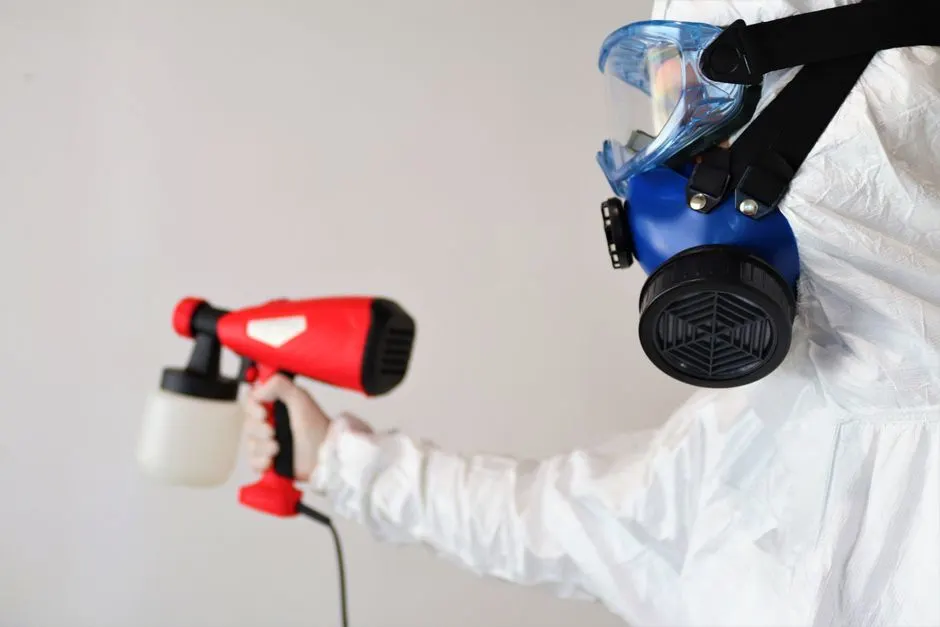
Solution: Local providers treat every sewage backup in Bonhamtown as contaminated water. The provider's crews wear Tyvek suits and N95 respirators, set up containment, and remove any porous materials that got wet. Local providers disinfect with an antimicrobial solution and run a HEPA air scrubber until the space is clean.

Challenge: Older homes with full basements and block foundations

Block foundations in Bonhamtown's older homes wick water through the mortar joints, which means the mold isn't always on the surface. It can be growing inside the block cores, and surface cleaning won't fix it. Local providers have to treat the wall differently than a poured concrete foundation.

Solution: Local providers use a moisture meter to check the block cores, not just the surface. If the block is saturated, local providers drill weep holes at the base, treat the cores with an antimicrobial solution, and install a vapor barrier on the interior. That gives the wall a chance to dry from the inside out.

Where local providers work

Bonhamtown Road corridorNew Durham Road areaWoodbridge Avenue areaBonhamtown Park areaNew Durham Road business districtRoute 1 commercial corridor

Service area

Bonhamtown

Latitude: 40.5284

Open in Google Maps

Local questions

How much does mold removal cost in Bonhamtown?

Most mold removal jobs in Bonhamtown cost between $1,200 and $6,000, with the average residential job running $1,800 to $3,500. Local providers give you a written estimate before they start, so you know what you're paying for.

How do I choose a mold removal provider in Bonhamtown?

Look for a provider that finds the moisture source first, sets containment before removal, and explains the scope and price before work starts. Ask about licensing, insurance, certifications, and post-remediation verification directly. Call (555) 555-1234 to get connected with an independent local provider in Bonhamtown.

How do I get urgent mold help in Bonhamtown?

The phone line is answered 24/7. Call (555) 555-1234 and we will connect you with an independent local mold provider. If you have a burst pipe, sewage backup, or flooding, shut off the water if you can and ask the provider about current availability.

When To Call

Signs you need mold removal in Bonhamtown

Mold doesn't always announce itself with a big black stain. In Bonhamtown's older homes, it often starts behind a wall or under a carpet where you can't see it. If you've been searching for mold removal in Bonhamtown near me, these are the signs that mean it's time to call. The sooner you call, the less it costs to fix.

1. A musty smell that won't go away

A musty smell in a Bonhamtown basement or crawl space usually means mold is growing somewhere you can't see. It might be behind drywall, under carpet, or inside a wall cavity. The smell is the mold releasing spores into the air. If you've tried air fresheners and the smell comes back, it's time to call.

2. Dark stains on basement walls or ceilings

Dark stains on a basement wall or ceiling are often the first visible sign of mold. In Bonhamtown's older homes, these stains usually appear after a flood or a slow leak. The stain might look like dirt, but if it's growing or spreading, it's mold. Don't paint over it; that just hides the problem.

3. Peeling paint or bubbling drywall

Peeling paint or bubbling drywall means there's moisture behind the surface. In Bonhamtown, this is common on basement walls with block foundations and on ceilings below bathrooms. The moisture is feeding mold inside the wall, and the paint is the first thing to fail. If you see this, there's a leak somewhere.

4. A recent flood or water leak

If your Bonhamtown home has had a flood, a burst pipe, or a sewage backup in the last few weeks, you're at risk for mold. Mold can start growing within 24 to 48 hours of a water event. Even if everything looks dry, moisture can be trapped inside walls or under floors. An inspection is worth it.

5. Allergy symptoms that get worse at home

If your allergies or asthma get worse when you're home and better when you're away, mold could be the cause. In Bonhamtown's older homes, mold spores can circulate through the HVAC system and affect the whole house. Air quality testing can tell you whether mold is the problem.

Local Problem Patterns

Common mold problems in Bonhamtown

Bonhamtown has a specific set of conditions that make mold more likely: older housing stock, full basements, aging drainage, and a climate that swings from humid summers to freezing winters. These are the problems local providers see most often. If you're dealing with any of them, you're not alone, and you're not the first person on your block to call the provider.

Basement flooding and mold after heavy rain

Why it happens here

Bonhamtown's low-lying streets near the New Durham Road area flood when the stormwater system can't keep up. When water gets into a basement, it soaks into drywall and carpet, and mold starts growing within 24 to 48 hours. The older the home, the more likely the basement is to take on water.

The provider's approach

Local providers extract the water, remove any wet materials that can't be saved, and dry the structure with air movers and dehumidifiers. Local providers also check the sump pump and recommend a battery backup if it doesn't have one. If the flooding is recurring, local providers'll tell you what needs to change.

Crawl space humidity and mold on joists

Why it happens here

Crawl spaces in Bonhamtown stay damp because the soil releases moisture and the vents let in humid summer air. The joists and subfloor absorb that moisture, and mold grows on the underside. It's a slow problem that builds over years, and most homeowners don't notice until the smell gets bad.

The provider's approach

Local providers remove the mold from the joists and subfloor, install a 6-mil polyethylene vapor barrier over the soil, and seal the vents. If the humidity is still high, local providers install a dehumidifier. This solves the problem permanently instead of just cleaning the mold.

Attic mold from roof leaks and ice dams

Why it happens here

Bonhamtown gets ice dams in the winter and heavy rain in the spring, and both can push water into the attic. The roof sheathing stays wet, and mold grows on the underside. By the time a homeowner notices a ceiling stain, the mold has often been growing for weeks.

The provider's approach

Local providers inspect the attic with a boroscope inspection camera to see how far the moisture has spread. Local providers remove any sheathing with visible mold, treat the framing with an antimicrobial solution, and fix the ventilation. If the roof leak is still active, local providers tell you to call a roofer before they close the job.

HVAC coil and duct mold in older systems

Why it happens here

Older HVAC systems in Bonhamtown often have drain pans that don't drain properly, which leaves standing water on the coil. That water feeds mold, and the mold spreads into the ductwork. Every time the system runs, it blows mold spores through the house.

The provider's approach

Local providers inspect the coil and drain pan, clean the coil, and if the ducts are contaminated they run a HEPA vacuum and fogger through the system. Local providers also check the condensate line and fix any drainage issues. If the system is too old to clean, local providers'll tell you.

Year-Round Coverage

How seasons affect mold removal in Bonhamtown

Mold in Bonhamtown follows a seasonal pattern. Spring and summer bring humidity and stormwater, fall brings leaves and roof leaks, and winter brings ice dams and frozen pipes. If you know what to expect, you can stay ahead of it. Here's what local providers see each season and what you should do about it.

Spring

Spring is when Bonhamtown's basement calls start to pick up. The snow melts, the rain comes, and the water table rises. Basements that stayed dry all winter start to seep, and mold that was dormant starts to grow. Crawl spaces get humid, and the musty smell comes back.

Tip

Check your sump pump before the first big rain. Make sure the discharge line is clear and the pump is working. If your basement has flooded before, consider a battery backup.

Summer

Summer in Bonhamtown is humid, and that humidity drives mold growth in crawl spaces and basements. Air conditioning systems run constantly, and if the drain pan or condensate line is clogged, water backs up and feeds mold. Attic mold can also get worse in the summer because the heat and humidity create ideal conditions.

Tip

Change your HVAC filter monthly and check the drain pan for standing water. If your crawl space smells musty, it's only going to get worse as the summer goes on.

Fall

Fall is when roof leaks start to show up in Bonhamtown. Leaves clog gutters, water backs up under the shingles, and it finds its way into the attic. By the time you notice a ceiling stain, the mold has been growing for weeks. Fall is also when local providers get calls about musty smells that have been building all summer.

Tip

Clean your gutters before the leaves pile up. Check your attic for any signs of water stains or musty smells. If you see something, call the provider before the winter makes it worse.

Winter

Winter in Bonhamtown brings ice dams and frozen pipes. Ice dams push water into the attic, and frozen pipes burst and flood basements. Both create perfect conditions for mold. The cold also slows mold growth, but it doesn't stop it. Ask the provider about current availability when you call.

Tip

Keep your attic cold and your basement warm. Insulate pipes that run along exterior walls, and if you're going away, leave the heat on. If a pipe freezes, thaw it slowly and call the provider if it bursts.

Hiring Smart

What to ask before hiring a mold removal company in Bonhamtown

Not every mold removal company in Bonhamtown does the same quality of work. Some will spray bleach on the surface and call it done. Others will do a proper remediation with containment, removal, and verification. These are the questions that separate the two. Ask them before you hire anyone.

  1. 1

    "Are you licensed and insured in New Jersey?"

    Why it matters

    Mold remediation in Bonhamtown requires a New Jersey Home Improvement Contractor (HIC) license for residential work, and you want a company that carries liability insurance and workers' comp. If they can't show you a license, they're not a legitimate contractor. Ask for the certificate.

  2. 2

    "Do you follow the ANSI/IICRC S520 standard?"

    Why it matters

    The S520 standard is the industry benchmark for mold remediation. It covers containment, removal, cleaning, and verification. A contractor who follows it will do a more thorough job than one who doesn't. If they don't know what S520 is, that's a red flag.

  3. 3

    "Will you do post-remediation verification?"

    Why it matters

    Post-remediation verification is how you know the job is actually done. It usually involves air sampling after remediation to confirm that mold spore levels are back to normal. If a contractor doesn't offer verification, you have no way to know whether the mold is gone.

  4. 4

    "Do you have experience with Bonhamtown's older homes?"

    Why it matters

    Bonhamtown's housing stock is older, and that means block foundations, galvanized plumbing, and crawl spaces that aren't sealed. A contractor who doesn't understand these issues might miss the moisture source. Ask for examples of similar jobs they've done in the area.

  5. 5

    "What's included in the price, and what's not?"

    Why it matters

    Some quotes include containment, removal, drying, and verification. Others only cover the removal. Make sure you're comparing the same scope of work. Ask whether the price includes post-remediation verification and whether there are any additional charges for materials or disposal.

Knowing the Area

Landmarks local providers use to navigate Bonhamtown

Bonhamtown is a compact neighborhood, but the streets can be confusing if you don't know them. Local providers use Bonhamtown Park as their main reference point for the residential blocks, and the New Durham Road business district for commercial calls. If you're near Bonhamtown Elementary School, you're in the part of the neighborhood where local providers do the most basement work. The Edison Train Station is just outside the neighborhood, and local providers use it as a landmark when they're giving directions to customers who are new to the area.

Landmarks

  • Bonhamtown Park

    Bonhamtown Park is the easiest landmark to use when you're giving the provider directions. If you're near the park, you're close to a lot of the residential blocks where local providers do basement and crawl space work. Local providers know the streets around the park well.

  • Bonhamtown Elementary School

    The blocks around Bonhamtown Elementary School are some of the oldest in the neighborhood, and they have the highest concentration of full basements with block foundations. If you live near the school, there's a good chance your basement has the same moisture issues as your neighbors.

  • Edison Train Station

    The Edison Train Station is just outside Bonhamtown, and it's a useful landmark for customers who are giving the provider directions from out of town. If you're near the station, you're a short drive from the Bonhamtown section, and local providers can usually get to you quickly.

Commercial Districts

  • New Durham Road business district

    The New Durham Road business district has a mix of retail and office buildings, many of them older. Commercial mold calls here usually involve roof leaks, HVAC coil mold, or plumbing leaks in walls. Local providers work with property managers to schedule the job around business hours.

  • Route 1 commercial corridor

    The Route 1 commercial corridor is the largest commercial area local providers serve in Bonhamtown. It has restaurants, warehouses, and retail spaces, and the mold problems vary by building type. Local providers handle everything from a single HVAC coil to a full warehouse remediation.

Transport & Access

  • Edison Train Station

    The Edison Train Station is a few minutes from the Bonhamtown section. It's a useful landmark for customers who are coming from out of town, and it gives the provider a quick reference point when they're routing crews.

  • Route 1

    Ask the provider about current availability when you call. If you're on the Route 1 side of the neighborhood, local providers can usually get to you in under 30 minutes.

!

Get mold removal in Bonhamtown before it spreads

Call (555) 555-1234 to reach an independent local provider for mold removal in Bonhamtown, Edison. Ask about pricing, timing, licensing, and permits directly before you hire.

Call Now: (555) 555-1234